
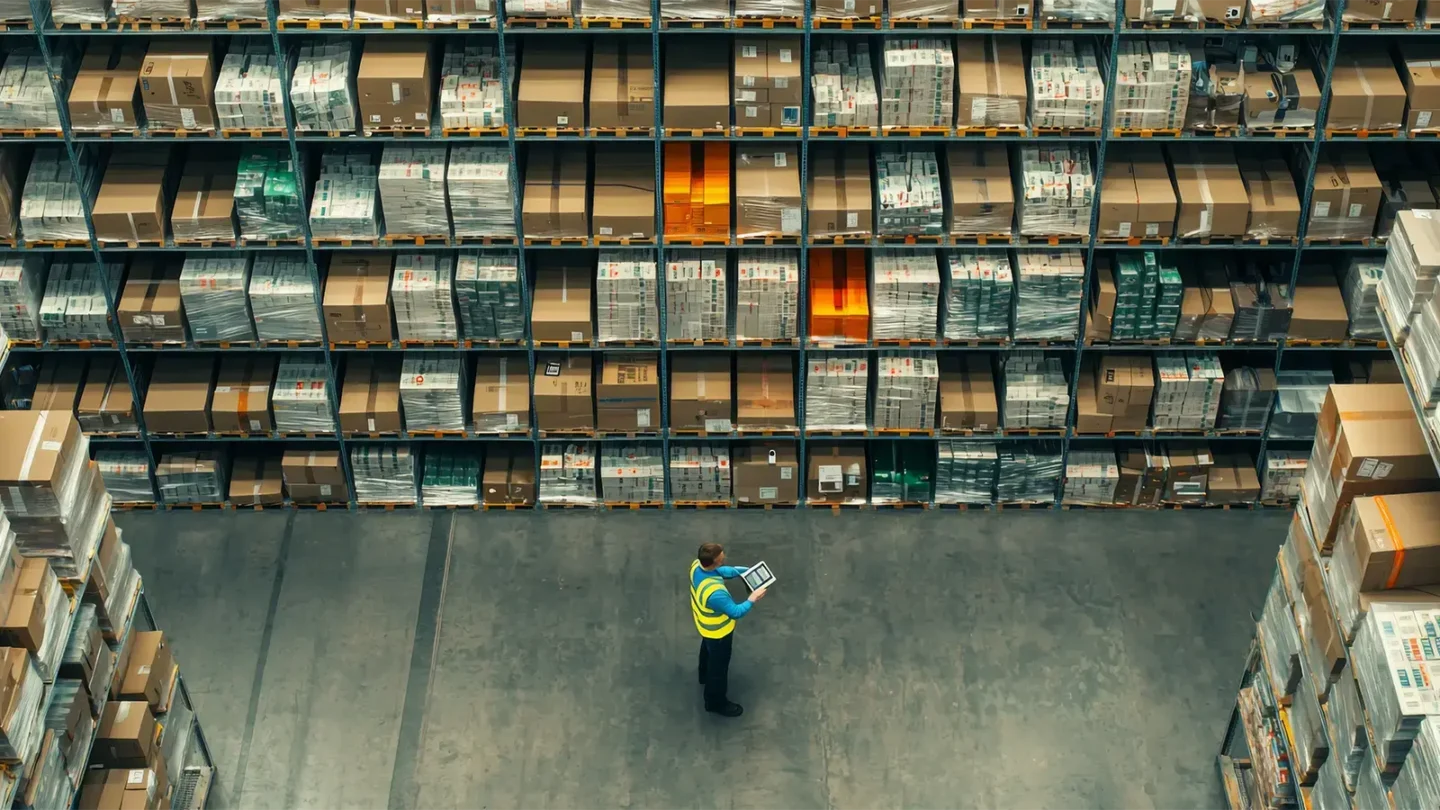
November and December are the ideal months to pause, review, and reset your branded merchandise inventory. For marketing teams, HR leaders, and operations managers, this is the moment to look closely at what is already on hand before planning for 2027. With thoughtful promotional product inventory management, Elevate Promo helps businesses turn leftover stock into a useful planning tool instead of a hidden expense.
The goal is not to order more just because a new year is coming. It is to understand what you already have, what is no longer useful, and what will actually support onboarding, events, campaigns, and internal programs in the months ahead.
Start with a Clear Picture of What Is Already in Storage
A practical year-end review begins with a complete inventory check. Too often, companies know they have merchandise somewhere, but not exactly what they have, how much of it remains, or whether it is still usable.
That first pass should cover three things:
- Quantity on hand for each item
- Product condition and packaging quality
- Exact storage location and accessibility
If one department stores branded notebooks in a supply closet and another keeps apparel in a conference room cabinet, inventory visibility becomes fragmented fast. A simple count is helpful, but the real value comes from documenting where each item lives and whether it can still support future use.
Look at Item Condition, Not Just Item Count
A box of shirts is not automatically valuable if the sizes are outdated, the branding is no longer current, or the packaging has been damaged in storage. The same is true for drinkware, bags, lanyards, and event items that may have sat untouched for months.
Effective promotional product inventory management goes beyond basic bookkeeping. It enables businesses to determine whether merchandise is ready for distribution, suitable for repurposing, or better removed from active stock.
Map Storage Locations So Teams Can Find What Exists
Inventory cannot be used if no one can find it quickly, especially when promotional product storage is scattered across offices, warehouses, and departmental closets. A centralized list of storage locations makes it easier to pull stock for campaigns, onboarding kits, and event needs without duplicate purchases.
For businesses working with Elevate Promo, this kind of visibility can support smarter ordering and cleaner replenishment decisions.
Separate Useful Inventory from Outdated or Unusable Merchandise
Once current stock is documented, the next step is deciding what should stay in circulation and what should be removed from planning. Not every item in storage is worth carrying into 2027.
Some products are outdated because the logo changed, the messaging no longer fits the brand, or the campaign they supported has already ended. Others are simply overstocked. A business may have enough of one item to cover several months of use, even though the team is preparing to order more out of habit.
This is a key part of swag inventory management. The objective is not just to count merchandise, but to judge whether it still has a role in future distribution.
Signs an Item Should Be Re-Evaluated
A product may belong in the “do not reorder yet” category if:
- The branding is outdated
- The style no longer matches the company image
- The item is damaged, expired, or poorly stored
- The quantity is already enough for expected use
- The item no longer fits current program goals
This structured review reduces waste and ensures budget decisions reflect actual demand rather than assumptions.
Use a Simple Keep, Pause, or Remove Decision
A straightforward three-part decision process can make the review faster. Keep items that are still relevant and ready to distribute. Pause items that may still be useful but do not need replenishment yet. Remove items that are no longer aligned with your brand or have little chance of being used.
This is especially useful for employee swag inventory, where businesses often discover they already have enough items for onboarding, recognition, or welcome kits.
Let 2027 Planning Drive Inventory Decisions, Not Guesswork
A year-end review should always look forward. The best inventory decisions are tied to what the business is actually planning for 2027, not to a vague sense that stock is running low.
If your organization expects new hires, trade shows, conferences, client meetings, internal campaigns, or customer events, those plans should shape inventory needs. The right question is not “What should we order?” It is “What will we need, when will we need it, and what do we already have?”
This is where year-end inventory planning becomes a strategy exercise instead of a cleanup task.
Match Stock Levels to Real Use Cases
Different programs require different inventory approaches. For example:
- Onboarding may need smaller, repeatable quantities throughout the year
- Trade shows may need concentrated stock before a specific event window
- Internal recognition may require flexible access to a range of items
- Marketing campaigns may need a predictable reserve for scheduled launches
When those use cases are mapped out, it becomes easier to avoid buying too much of one item while ignoring another category that will run out first.
Avoid Ordering What Storage Already Covers
One of the most common inventory mistakes is purchasing a new batch of merchandise before checking what is already available. That leads to unnecessary spending and more clutter in storage. Better company merchandise tracking helps departments see inventory before placing an order, especially when multiple teams are involved in campaigns or events.
Elevate Promo works with businesses that want a more organized approach to this process, so orders are based on current needs instead of guesswork.
Improve Visibility with Centralized Tracking and Better Coordination
When several teams manage their own merchandise requests, inventory confusion becomes almost inevitable. Marketing may be planning event giveaways while HR is preparing onboarding kits and operations is ordering internal supplies. Without shared visibility, the same product can be ordered twice, or a useful item can be overlooked completely.
Centralized tracking solves that problem by creating one source of truth for stock, usage, and replenishment planning.
What Better Visibility Should Include
A useful tracking system does not need to be complicated, but it should include:
- Product name and description
- Quantity available
- Storage location
- Last updated date
- Usage history
- Reorder threshold or alert point
With that information in one place, teams can make faster decisions and avoid duplicate orders.
Why Stock Alerts Matter Before the New Year
Stock alerts help businesses respond before inventory becomes a problem. If a top item is trending lower than expected, or if a high-use product is nearing its threshold, the team can plan early instead of rushing into a last-minute purchase.
This level of visibility is vital at year-end when budgets, campaigns, and onboarding plans are finalized simultaneously.
Use Company Stores and Fulfillment to Keep Distribution Organized
Many businesses benefit from connecting inventory review with how products are distributed. A company store can make it easier to manage approved merchandise, control what is available, and help employees or teams access the right items without opening the door to chaotic ordering.
For organizations that need a cleaner distribution process, Elevate Promo’s Web Stores & Pop-Up Shops can support a more organized approach to merchandise access and fulfillment.
How Company Stores Help Reduce Waste
A company store can improve visibility by showing which items are available and which ones should be reserved for specific uses. That reduces the chance of random requests, duplicate purchases, or over-ordering items that already exist in storage.
It also gives teams a more consistent way to distribute branded merchandise across departments, events, and internal programs.
Why Warehousing and Fulfillment Support Year-End Planning
If your business is managing ongoing merchandise programs, professional storage and order processing can make the entire system easier to control. Elevate Promo’s Warehousing and Fulfillment solutions can help businesses store inventory, track availability, and process orders more efficiently across the year.
Year-end planning extends beyond counting boxes; it requires establishing a workflow that keeps inventory accessible when needed.
A Practical Year-End Inventory Checklist for 2027 Readiness
A simple checklist keeps the year-end review from stalling out. This one is designed to help businesses move from review to action without overcomplicating the process.
Use this as your year-end inventory checklist:
- Count all promotional items currently in storage
- Note the condition of each product
- Record where each item is stored
- Identify outdated, damaged, or obsolete merchandise
- Review planned onboarding, events, and campaigns for 2027
- Compare forecasted needs against current stock
- Flag items that do not need to be reordered
- Align departments on who can request inventory and how
- Set reorder thresholds for commonly used products
- Confirm whether company store or fulfillment support would help
The best outcome is not the biggest inventory. It is the most usable one. Businesses that take time now to review stock can enter 2027 with fewer surprises, better budget control, and a much clearer sense of what they already have.
If you are preparing your promotional merchandise program for 2027, contact Elevate Promo to learn how our warehousing, inventory management, and fulfillment solutions can keep your stock organized and ready for the year ahead.
Frequently Asked Questions
How should businesses track promotional product inventory?
The most effective approach is a centralized system that records item names, quantities, storage locations, and usage history. That gives teams a clearer view of what is available and helps prevent duplicate purchases.
What should I do with leftover branded merchandise at the end of the year?
Start by sorting items into three groups: usable, pause for now, and remove from active planning. Check whether the branding is still current, whether the stock is in good condition, and whether the items match upcoming 2027 needs.
How can companies avoid ordering unnecessary promotional products?
The best way is to review current inventory before any new purchase is approved. When marketing, HR, and operations teams share one inventory record, it becomes much easier to see what is already in storage and what actually needs to be reordered.
When should businesses begin planning merchandise inventory for the new year?
November and December are the best times to begin. That gives teams enough time to assess current stock, align on upcoming events and onboarding needs, and set up a better inventory plan before 2027 begins.